Research Note: This is a reflective piece looking back at tattoo trends, cultural shifts, and industry developments I observed throughout 2025. It draws from my personal experiences getting tattooed this year, conversations with artists and collectors, social media trends, convention attendance, and changes I noticed in how tattoos are discussed and perceived culturally. I’m sharing this as an enthusiast reflecting on the year, not as an industry insider with comprehensive data.
Looking Back at 2025
Every year in tattooing brings shifts—some subtle, some dramatic. As I reflect on 2025, certain trends, conversations, and cultural moments stand out as particularly significant in shaping where tattooing is heading.
This wasn’t a year of radical revolution, but rather continued evolution. Tattoos became more mainstream while simultaneously more specialized. Conversations around cultural appropriation matured significantly. Technology integrated cautiously into traditional craft. And quality standards rose as clients became more educated about what they were putting on their bodies permanently.
The Year Micro-Realism Forced a Reckoning
Hyper-detailed, tiny realistic tattoos remained hugely popular in 2025, especially among younger collectors getting their first tattoos. Scroll through any tattoo hashtag on Instagram, and you’ll see miniature portraits, microscopic florals, and photorealistic insects rendered in spaces smaller than a matchbook.
The appeal is obvious. These pieces photograph beautifully—Instagram-friendly in ways that larger, bolder work sometimes isn’t. They allow meaningful imagery in small, concealable spaces, which matters for people navigating professional environments that aren’t fully tattoo-friendly yet. They appeal to minimalists who want realism without committing to large coverage. And they offer a lower cost entry point than traditional large-scale realistic work.
But 2025 was also the year the aging conversation got louder. Artists have been warning about micro-realism longevity for years, and those warnings started hitting home as pieces from 2018-2020 began showing their age. Those fine details in tiny spaces blur within five to ten years—sometimes sooner.
What shifted in 2025 wasn’t the warning itself, but how it was delivered. The conversation moved from “don’t do micro-realism” to “understand that micro-realism ages differently.” More honest discussion about trade-offs emerged. Collectors started asking to see healed work, not just fresh photos. The best micro-realism artists began incorporating techniques to extend longevity, adjusting their approach based on years of watching their work age.
I suspect 2026 will see this conversation mature further. The style isn’t going away, but expectations are becoming more realistic.
Natural Aftercare Products Came Into Their Own
One of the most notable shifts I observed in 2025 was away from petroleum-based aftercare products toward natural, ingredient-conscious alternatives. This reflects broader consumer trends—the same people reading ingredient labels at the grocery store started reading ingredient labels on their tattoo aftercare.
Younger collectors especially questioned the traditional “just use Aquaphor” advice that dominated for decades. They wanted to know what they were putting on healing wounds. They asked about vegan options, about sustainability, about supporting smaller makers rather than pharmaceutical giants.
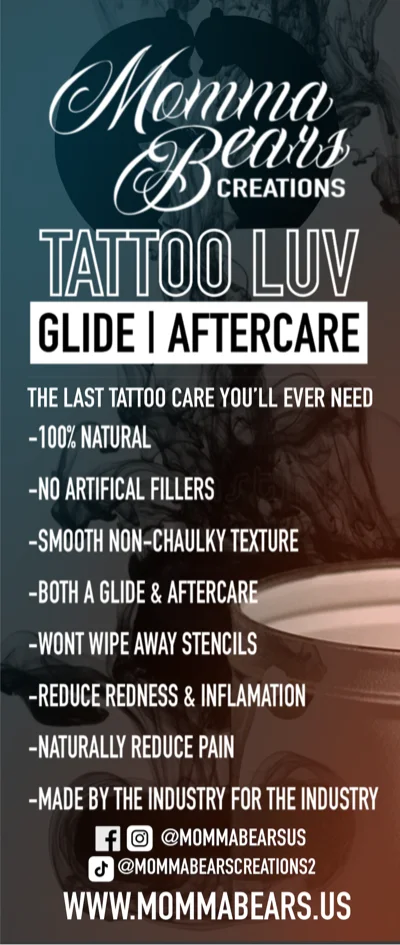
Products like Tattoo Luv and other natural balms gained significant traction. Artists increasingly partnered with specific aftercare brands or developed their own recommendations rather than defaulting to generic petroleum ointments.
Whether natural is objectively “better” for healing is still debated—traditional products work fine for most people. But consumer demand clearly shifted, and the market responded. I expect this trend to accelerate in 2026 as ingredient transparency becomes standard expectation rather than differentiator.
Geometric Work Reached Saturation
If 2020-2023 was the rise of geometric tattoos and mandalas, 2025 felt like the peak—and possibly the beginning of plateau. These designs became incredibly common, almost becoming the new “tribal armband” in terms of ubiquity.
Walk into any tattoo shop, and you’ll see geometric flash. Scroll social media, and mandalas appear constantly. The style that once felt distinctive now feels almost expected.
This creates a paradox for collectors. Well-executed geometric work remains visually striking. The precision required is genuinely impressive. But losing uniqueness due to ubiquity changes how these tattoos function as personal expression.
What I noticed artists doing in response was pivoting toward unique geometric approaches to stand out. Hybrid styles emerged more prominently—geometric meets realism, geometric with watercolor influence, experimental geometric breaking from sacred geometry templates. The artists doing the most interesting work in this space stopped following templates and started innovating.
My prediction for 2026: pure geometric and mandala work will decline in popularity as collectors seek more unique approaches. The style won’t disappear, but it will evolve or specialize.
The Fine Line Debate Continued
Single-needle, ultra-fine line tattoos sparked continued debate throughout 2025 about longevity versus aesthetic. This conversation paralleled micro-realism but with its own nuances.
The artist community split noticeably. Some refuse fine line work entirely—they’ve seen too many pieces blur and fade within years, and they don’t want their name attached to work that won’t hold up. Others specialized in fine line and defended it passionately, arguing that technique adjustments can improve longevity and that clients have the right to prioritize current aesthetic over aging concerns.
A middle ground emerged among some artists: fine line work with strategic bolder elements. Delicate linework supported by slightly heavier anchoring lines that will hold structure as the finest details soften.
What struck me most was how this debate revealed generational differences among collectors. Older tattoo enthusiasts tend to prioritize longevity—they’ve lived with tattoos long enough to see how they change. Younger collectors often prioritize current aesthetic, accepting impermanence as an acceptable trade-off for the look they want now.
Neither perspective is wrong. But the conversation around expectations became more important than the style choice itself.
Blackwork’s Dominance Made Sense
While delicate work generated debate, bold blackwork gained significant ground in 2025. Full blackout sleeves, heavy geometric blackwork, negative space designs with solid black backgrounds, and Japanese-inspired black coverage all trended upward.
The appeal makes sense when you understand tattoo aging. Bold black work ages exceptionally well—the opposite of fine line concerns. Heavy saturation holds for decades. The visual impact is undeniable, photographs dramatically, and makes a statement without requiring color.
Blackwork also emerged as the preferred solution for covering unwanted previous tattoos. As the first waves of tattoo normalization produced regret pieces, blackwork cover-ups offered complete transformation rather than just masking.
Blackwork specialists became highly sought-after, often booked months in advance. Artists like the team at Skin Deep Tattoo in our Central PA region demonstrated that this wasn’t just a coastal trend—bold black work resonated across tattoo communities everywhere.
Cultural Shifts Beyond the Art
Beyond specific styles, 2025 brought meaningful shifts in how tattoos function culturally.
Mainstream acceptance continued its steady march. More workplaces relaxed visible tattoo policies. Professional industries—tech, creative fields, even some corporate environments—became increasingly tattoo-friendly. The automatic association between tattoos and rebellion or counterculture continued fading.
But this acceptance isn’t universal, and 2025 made those limits clearer. Conservative industries still restrict visible tattoos. Law, finance, certain healthcare settings maintain dress codes that exclude visible ink. Hand, neck, and face tattoos still limit options in ways arm or leg tattoos don’t. Geographic variation persists—coastal cities remain more accepting than rural areas. And generational attitudes linger—older professionals still judge in ways younger ones don’t.
What I observed in 2025 was a transition period. Acceptance is growing but not universal. Hand and neck tattoos remain meaningful career considerations even as forearm tattoos become unremarkable. Knowing your specific industry and environment matters more than general trends.
Social Media’s Double Edge
Instagram and TikTok continued shaping tattoo culture in 2025, with increasingly apparent benefits and costs.
On the positive side, artists reach global audiences in ways impossible before social media. Clients research portfolios easily, making informed decisions. Education spreads rapidly—aftercare advice, red flags to watch for, style information. Styles cross-pollinate internationally as artists inspire each other across borders.
But the negative impacts became harder to ignore. “Instagram tattoos” that prioritize photography over longevity proliferated. Copying and idea theft remained rampant, with artists constantly finding their work replicated without credit. The pressure for artists to constantly produce content competed with actually tattooing. And unrealistic expectations formed as clients compared fresh, professionally photographed tattoos to their own healed reality.
The challenge I saw artists navigating was balancing social media as a tool versus letting it dictate artistic choices. The most successful seemed to treat social media strategically while maintaining artistic integrity, rather than chasing trends for engagement.
Cultural Appropriation Conversations Matured
One of the most positive developments in 2025 was the maturation of cultural appropriation discussions in tattoo spaces.
The conversation moved beyond the extremes of “everything is appropriation” or “nothing is appropriation” toward more nuanced territory. Indigenous tattoo artists gained platform and voice, sharing their perspectives on cultural tattooing traditions and how to engage respectfully. Educational resources improved significantly. Clients became more aware, asking questions before getting culturally significant imagery.
Problems remain. Generic “tribal” flash still exists in shops. Not all artists are educated on cultural sensitivity. Clients still get culturally inappropriate tattoos, sometimes from ignorance, sometimes from indifference. The balance between policing and educating remains difficult.
But the trajectory is positive. These conversations are better than they were five years ago. Younger collectors generally demonstrate more consciousness about cultural origins, even when knowledge gaps persist.
Technology Found Its Place
Digital design tools became standard for many artists in 2025. Procreate and similar apps are now part of most custom tattoo processes—designs created digitally, refined in collaboration with clients, then transferred to skin.
Some traditional artists maintained hand-drawn approaches, and debates continued about whether digital design loses something essential about the craft. But the practical advantages proved compelling for most. Efficiency increased. Client collaboration improved through digital mock-ups. Revisions became easier.
What I observed was that digital tools are tools—quality depends on the artist, not the medium. The best artists use digital to enhance their skill, not replace it. The concern about homogenization (everyone using the same digital tools producing the same work) didn’t materialize as feared. Individual artistic voice still comes through regardless of medium.
Laser tattoo removal technology also improved noticeably. Faster removal with fewer sessions, better color removal that was historically difficult, and more accessibility as more clinics offered services. This reduced permanence anxiety for some—knowing removal is possible (if expensive and time-consuming) makes the commitment feel less absolute.
What Conventions Revealed
Tattoo conventions in 2025 felt different from their reputation. Larger attendance reflected mainstream acceptance—more people interested in tattoo culture, not just people getting tattooed. More emphasis on art exhibits and educational panels beyond just working booths. Celebrity artists drawing crowds. Educational programming increasing.
The awards circuit showcased incredible talent. Watching artists like Mike Mavretic from Skin Deep Tattoo win awards at Central PA conventions demonstrated something important: high-caliber talent exists in regional scenes, not just major cities. You don’t have to travel to New York or LA for exceptional work.
Conventions felt more curated and professional than past reputation suggested. More families attending. More emphasis on art appreciation alongside the tattoo experience.
My Personal 2025 Tattoo Journey
To ground this reflection in personal experience: I added two pieces in 2025. An upper back geometric piece took eight hours across two sessions—black and grey work that I’m extremely happy with. A forearm memorial portrait took five hours—black and grey again, commemorating someone important.
What I learned reinforced things I already suspected. Larger pieces feel more “worth it” than small pieces, at least for me. Working with the same artist twice was comfortable and efficient—the relationship matters. And placement choices from years ago affect current plans in ways I didn’t anticipate when I started getting tattooed. I’m now working around older pieces rather than building cohesively.
For 2026, I’m planning to begin a sleeve project—a multi-session commitment that will unfold over months. I’m also researching cover-up options for a regret piece from my early twenties. The learning never stops.
Looking Forward to 2026
Based on everything I observed in 2025, here’s what I expect in the coming year.
Hyper-specialization will continue. Artists narrowing focus even more—not just “I do Japanese” but “I only do Japanese sleeves” or “only black and grey portraits.” Clients will increasingly seek specialists over generalists, willing to travel for the right expertise.
Tattoo preservation will get more attention. Better aftercare products, UV protection innovations, touch-up techniques improving. As tattoos become more expensive and more meaningful, protecting the investment becomes more important.
Indigenous tattoo revival will continue. Cultural reclamation movements, more indigenous artists practicing traditional methods, expanding educational resources about the origins of various tattoo traditions.
Sustainable practices will grow. Vegan inks becoming standard rather than specialty. Reduced plastic waste in shops. Environmental consciousness entering an industry that hasn’t historically prioritized it.
On the decline: watercolor tattoos as aging issues catch up to the trend and client disappointment spreads. Generic geometric work as saturation drives collectors toward uniqueness. “Instagram first” tattoos as backlash against prioritizing photos over longevity gains momentum.
The Broader Trajectory
Tattooing in 2025 was healthy—growing, evolving, maintaining craft while embracing positive changes. Challenges remain around cultural appropriation, sustainability, accessibility, and economic pressures. But the overall trajectory feels positive.
Quality over quantity. Education and awareness. Cultural respect and sensitivity. Realistic expectations about aging. Artist specialization and expertise. These themes defined 2025 and will likely define 2026.
For those of us who love this art form, it’s an exciting time to be part of the community.
What were your tattoo experiences in 2025? What trends did you notice? What are your plans for 2026? Share your reflections in the comments—I’d love to hear how the community experienced this year.
Resources
Artists Referenced:
- Skin Deep Tattoo - Central PA studio
Products:
- Tattoo Luv - Natural tattoo aftercare
Organizations:
- Association of Professional Piercers - Aftercare standards
InkedWith is written by tattoo enthusiasts reflecting on our collective journey through tattoo culture. Here’s to 2026—may your ink be bold, your artists skilled, and your choices thoughtful.
Recommended Care