Research Note: This post combines my personal experience protecting tattoos through Central PA summers with research into sun damage and tattoo longevity. I’m sharing practical approaches I’ve learned, not medical advice—consult professionals for specific skin concerns.
Why Summer Challenges Tattoos
Summer brings extended UV exposure, swimming opportunities, increased sweating, and activities that can affect tattoo health—both for healing pieces and established ink.
The main concerns:
- UV radiation fading pigments
- Chlorine and salt water effects
- Sweat and friction
- Sunburn over tattooed skin
- Extended outdoor exposure
The reality: With reasonable precautions, your tattoos can survive summer beautifully. It just takes awareness and consistency.
Sun and Tattoos
How UV Affects Ink
The science (simplified): Ultraviolet radiation breaks down tattoo pigments over time. The immune system gradually removes these broken-down particles, causing fading.
What this means:
- Unprotected sun exposure = faster fading
- Repeated sunburns = damaged skin and ink
- Cumulative effect over years
- Some colors fade faster than others
Colors and Sun Sensitivity
Generally more vulnerable:
- Lighter colors (yellows, light blues, pastels)
- White highlights
- Some reds and oranges
Generally more stable:
- Black ink
- Dark blues
- Deep greens
The caveat: Even resistant colors fade over time with enough unprotected exposure.
Sunscreen for Tattoos
The essentials:
- SPF 30 minimum (SPF 50 better)
- Broad spectrum (UVA and UVB protection)
- Apply generously over tattooed areas
- Reapply every 2 hours, more if swimming/sweating
- Don’t forget edges and hard-to-reach areas
When to apply:
- 15-30 minutes before sun exposure
- More frequently during extended outdoor time
- After toweling off from water
- After heavy sweating
Physical Sun Protection
Beyond sunscreen:
- Clothing coverage when practical
- UV-protective swimwear and rash guards
- Shade during peak sun hours (10am-4pm)
- Hats and positioning for exposed areas
The best protection: Physical barriers (clothing, shade) are more reliable than sunscreen alone.
Swimming and Water
Healing Tattoos and Water
Critical rule: Do not submerge healing tattoos in water. This includes pools, oceans, lakes, hot tubs, and bathtubs.
Why:
- Water introduces bacteria
- Chlorine irritates healing skin
- Soaking damages the healing process
- Risk of infection increases
Timeline: Wait until fully healed (typically 2-4 weeks for surface healing) before submerging. Your artist’s specific guidance matters here.
Healed Tattoos and Pools
Chlorine considerations:
- Chlorine can dry out tattooed skin
- Extended exposure may affect vibrancy over time
- Rinse after swimming
- Moisturize after pool sessions
Practical approach: Occasional swimming won’t destroy your tattoos. Regular, extended pool exposure deserves attention to moisturizing and care.
Ocean and Salt Water
Salt water specifics:
- Can be drying to skin
- Sand causes friction
- Rinse thoroughly after ocean swimming
- Moisturize to restore hydration
Combined with sun: Beach days combine multiple exposure factors. Plan for sun protection and post-beach skin care.
Lakes and Natural Water
Additional considerations:
- Natural water contains more bacteria
- Healing tattoos especially vulnerable
- Even healed tattoos should be rinsed after
- Be aware of water quality
Sweat and Summer Activity
How Sweat Affects Tattoos
For healed tattoos: Normal sweating doesn’t harm established tattoos. But:
- Heavy sweating can move sunscreen
- Friction from sweaty clothing matters
- Keeping tattooed skin clean helps
For healing tattoos:
- Excessive sweating can interfere with healing
- Avoid intense exercise during initial healing
- Keep the area as clean and dry as practical
- Loose, breathable clothing helps
Sports and Outdoor Activities
Summer activity considerations:
- Reapply sunscreen more frequently
- Consider UV-protective athletic wear
- Shower and clean tattooed areas after
- Watch for friction from gear/equipment
Clothing Friction
What to watch:
- Tight clothing rubbing on tattoos
- Wet clothing against skin
- Straps, bands, and gear
- Repetitive motion areas
Solutions:
- Looser clothing when possible
- Barrier protection for high-friction areas
- Awareness of where your gear contacts tattoos
Moisturizing in Summer
Why Summer Needs Extra Moisture
Drying factors:
- Sun exposure dehydrates skin
- Chlorine strips natural oils
- Salt water is drying
- Air conditioning reduces humidity
- Increased bathing/showering
Summer Moisturizing Routine
Recommendations:
- Moisturize after every shower
- Extra application after swimming
- Use quality products designed for tattooed skin
- Stay hydrated (water intake affects skin)
- Consider lighter formulas for hot weather
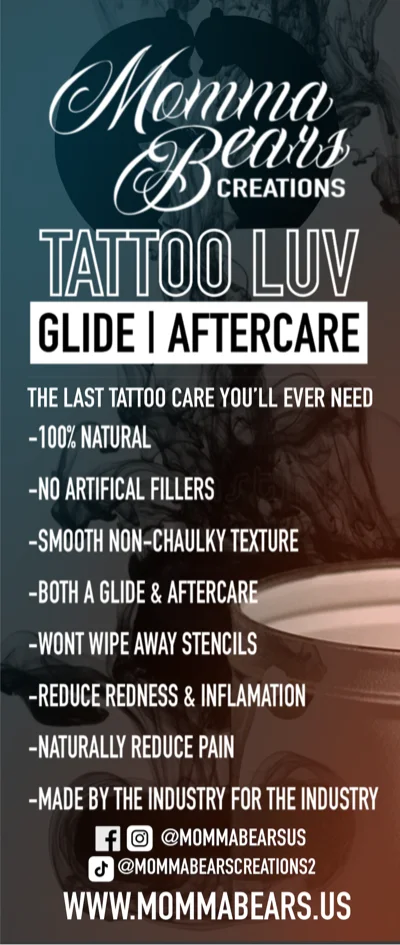
Product note: Quality aftercare products matter year-round but especially in summer. Tattoo Luv offers moisturizing options that work well for ongoing tattoo care. (Disclosure: I have a family connection to this product.)
When to Moisturize More
High-need times:
- After pool or ocean exposure
- After extended sun time
- When skin feels tight or dry
- After heavy outdoor activity
- In air-conditioned environments
Dealing with Sunburn
Sunburn Over Tattoos
The problem: Sunburn damages skin, and damaged skin affects tattoo appearance and health.
Immediate effects:
- Pain and inflammation
- Peeling removes some ink particles
- Temporary color changes
- Compromised skin barrier
Long-term effects:
- Accelerated fading
- Potential texture changes
- Cumulative damage from repeated burns
If You Get Burned
Care approach:
- Cool compresses
- Gentle moisturizing (aloe vera, quality lotions)
- Avoid further sun exposure
- Don’t pick at peeling skin
- Let healing happen naturally
Prevention focus: It’s far better to prevent sunburn than to treat it.
Summer Travel with Tattoos
Beach Vacations
Packing list:
- High SPF sunscreen (multiple tubes)
- After-sun moisturizer
- Cover-up options (rash guards, wraps)
- Awareness of extended exposure
Daily routine:
- Morning sunscreen application
- Reapplication throughout the day
- After-beach rinse and moisturize
- Evening skin care
Tropical Destinations
Intense sun considerations:
- Stronger UV at lower latitudes
- More frequent sunscreen application
- Physical coverage during midday
- Increased moisturizing needs
New Tattoos and Travel
Planning considerations: If you’re getting tattooed before a summer trip:
- Allow adequate healing time before travel
- Beach vacations and healing tattoos don’t mix well
- Plan the tattoo for after the trip, or well before
- Don’t compromise healing for vacation activities
Seasonal Comparison
Why Winter Is Easier on Tattoos
Factors:
- Less sun exposure
- More clothing coverage
- Lower UV intensity
- Less swimming/water exposure
- Easier to protect without effort
Summer Trade-offs
The reality: Summer means more visibility for your tattoos—showing them off is part of the appeal. That visibility comes with exposure that requires attention.
The balance: Enjoy summer with your tattoos; just be aware and proactive about protection.
Long-Term Summer Care
Years of Summers
Cumulative effects: One summer of reasonable sun exposure won’t destroy a tattoo. But years of careless exposure add up.
The perspective: Consistency matters more than perfection. Regular sunscreen use, even imperfect, beats complete neglect.
Touch-Ups and Sun Damage
When fading shows:
- Sun damage can create uneven fading
- Touch-ups can restore vibrancy
- Protect the touched-up work going forward
- Learn from past exposure patterns
My Summer Approach
What I’ve Learned
Personal practice: I keep sunscreen specifically designated for my tattooed areas. It lives in my beach bag, car, and backpack during summer. The habit matters more than the specific product.
Honest assessment: I’m not perfect about reapplication, but consistent effort over years has kept my tattoos looking good. The pieces I protected carefully look better than those I was careless with early on.
Central PA Summers
Even in Pennsylvania, summer sun is significant. I’ve learned not to underestimate “not-Florida” UV levels.
The Bottom Line
Summer and tattoos can coexist beautifully with reasonable care. Protection doesn’t mean hiding indoors—it means smart habits that preserve your ink while you enjoy the season.
Key practices:
- Sunscreen (SPF 30+, reapplied frequently)
- Physical coverage when practical
- Post-water rinse and moisturize
- Hydration and skin care
- Awareness of healing vs. healed tattoo needs
Summer is tattoo-showing season. Show yours off confidently by taking care of them.
How do you protect your tattoos in summer? Any products or practices you swear by? Share your summer tattoo care tips in the comments.
Resources
Sun Protection:
- SPF 30+ broad-spectrum sunscreen
- UV-protective clothing options
- Shade and timing awareness
Moisturizing:
- Quality tattoo-safe moisturizers
- After-sun care products
- Consistent application habits
InkedWith helps tattoo enthusiasts care for their ink through every season. Summer brings visibility and celebration—protect your tattoos so they stay vibrant for many summers to come.