Research Note: This post combines general dermatological principles about winter skin care with tattoo-specific aftercare guidance from the Association of Professional Piercers and my own experience managing tattoos through several Pennsylvania winters. I’m sharing what I’ve learned as an enthusiast, not medical advice—always follow your artist’s specific instructions and consult a dermatologist for skin concerns.
Why Winter Is Tough on Tattoos
If you’ve noticed your tattoos looking a bit dull, dry, or faded during winter months, you’re not imagining it. Cold weather creates a perfect storm of conditions that affect both fresh and healed tattoos in ways that summer simply doesn’t.
I’ve been managing my own ink through Central PA winters for years now, and the seasonal difference is real. Understanding why winter is challenging helps you adjust your care routine accordingly—and recognize that the dullness you’re seeing is usually temporary and treatable, not permanent damage.
What Cold Weather Does to Your Skin
The fundamental problem with winter is dehydration. Cold air holds less moisture than warm air, so when temperatures drop, humidity drops with them. That dry winter air constantly pulls moisture from your skin, working against the hydration your tattooed skin needs to look its best.
Indoor heating makes the situation worse, not better. We escape the cold into heated buildings, but that heated air is even drier than the cold air outside. Your skin faces a double assault: dry cold outside during your commute and errands, dry heat inside where you spend most of your time. The constant back-and-forth between these environments stresses skin further.
According to dermatological research, winter conditions cause several changes in how your skin functions. Natural oil production decreases, removing the protective layer that normally helps retain moisture. The skin barrier—that outermost layer that keeps moisture in and irritants out—becomes compromised and functions less effectively. Transepidermal water loss increases, meaning moisture escapes from your skin faster than normal. Cell turnover and healing processes slow down, which matters enormously for fresh tattoos.
For tattooed skin specifically, these changes have visible effects. Dry skin makes tattoo colors appear dull and faded because the surface layer scatters light differently when dehydrated. Severely dry, cracking skin can actually damage ink in the dermis layer beneath. A compromised skin barrier means fresh tattoos face more vulnerability during the already challenging healing period. And slower healing extends the aftercare period beyond what you might expect in warmer months.
Blood flow changes in cold weather add another layer of complexity. When you’re cold, blood vessels in your skin constrict to preserve core body heat—a protective mechanism that unfortunately means less nutrients reaching skin cells, slower healing processes, and skin that appears paler, which can make tattoos look different than they do in warmer weather. For fresh tattoos, reduced circulation can mean healing takes longer than anticipated. Wind exposure on uncovered skin strips moisture even faster than still cold air, particularly affecting hands, neck, and face.
Fresh Tattoos in Winter: Advantages and Challenges
Winter is actually a great time for new tattoos in several important ways. The biggest enemy of healing tattoos is UV exposure, and winter delivers natural protection on that front. Shorter days mean less sun overall, and you’re naturally wearing more clothing that covers most potential tattoo placements. Covered tattoos heal without the sun damage risk that plagues summer healing.
Swimming isn’t tempting when it’s freezing outside, which removes one of the major aftercare challenges. No beach trips, pool days, or hot tub temptations mean no temptation to submerge your healing tattoo before it’s ready. Winter clothing also tends toward looser, breathable layers—much better for healing than the tight shorts and tank tops of summer that can rub against fresh ink.
The challenges of winter tattooing center on moisture balance. Fresh tattoos need to stay hydrated but not overly wet—too much moisture risks infection, while too little risks cracking and poor healing. Winter’s dry air pushes everything toward the too-dry end of the spectrum. You’ll notice excessive flaking beyond normal peeling, cracking skin around the tattoo, a tight uncomfortable feeling in the healing area, and a dull matte appearance to the ink when your healing tattoo isn’t getting enough moisture.
Clothing presents a different challenge in winter than summer. Sweaters, wool, and heavy fabrics can irritate healing tattoos through friction. Synthetic base layers might trap moisture against the tattoo in uncomfortable ways. Finding the right balance of protection from cold while allowing the tattoo to breathe requires more thought than summer’s simple “wear loose cotton” advice.
Temperature swings stress healing skin in ways that don’t happen in more stable seasons. Going from freezing outside to a heated office to the cold parking lot to your warm car, repeatedly throughout the day, asks a lot of skin that’s trying to heal. The constant expansion and contraction as your body adjusts to temperature changes can affect how a tattoo settles during the critical early weeks.
Winter Aftercare for Fresh Tattoos
Based on APP aftercare guidelines adapted for winter conditions, several adjustments help fresh tattoos heal well despite the seasonal challenges.
You may need to moisturize more often than you would in summer. The goal remains keeping the tattoo hydrated without suffocating it, but achieving that balance requires more frequent attention when the air is actively pulling moisture from your skin. Thin, frequent applications work better than thick, occasional ones—you want to maintain consistent moisture levels rather than cycling between too dry and over-moisturized.
Product choices may need seasonal adjustment. Fragrance-free remains essential because irritation risk increases on already-compromised healing skin. You might need slightly heavier products than your summer go-tos, but not dramatically heavier—the principle of thin layers applied frequently still applies. The difference is that you might be applying every few hours instead of twice daily.
Clothing choices matter more in winter than summer. Soft, breathable fabrics against healing tattoos reduce friction irritation. Loose layers that don’t rub against the tattoo give it room to breathe. Cotton base layers under heavier winter clothing create a buffer between your tattoo and potentially irritating wool or synthetic outerwear. Avoiding direct contact between rough textures and your healing skin prevents unnecessary complications.
Indoor humidity deserves attention during winter healing. A humidifier in rooms where you spend the most time—bedroom, home office, living room—helps your skin maintain moisture without requiring constant product application. Aim for forty to fifty percent humidity, which is comfortable for most people and beneficial for skin health generally, not just healing tattoos.
Water temperature matters year-round but becomes more tempting to ignore in winter. Hot showers feel amazing when you’re cold, but they dry out skin faster than lukewarm water. Keep showers shorter when possible and resist the urge to crank the temperature up. Your skin will thank you even if your cold-weather instincts object.
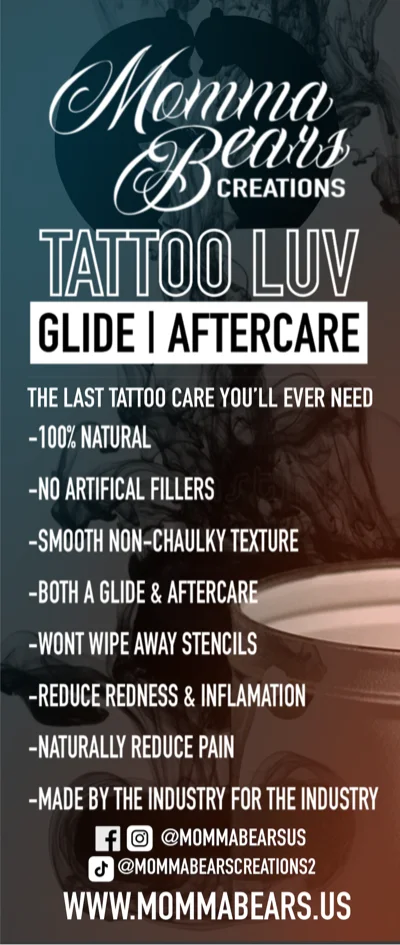
Disclosure: For aftercare products, I’ve personally used Tattoo Luv from Momma Bears Creations—a natural aftercare product made by a family business I’m connected to. It’s 100% natural, which I appreciate for winter when I’m applying products more frequently. There are many good aftercare options available; this happens to be the one in my rotation.
Caring for Healed Tattoos in Winter
Your healed tattoos need winter attention too, even though they’re not as vulnerable as fresh ink. The same dry air that challenges healing also affects the appearance of healed work.
Daily moisturizing becomes more important in winter than summer. Make it part of your routine rather than occasional. Focus particularly on tattooed areas, but don’t forget often-neglected spots—if you have tattoos on the backs of your hands or feet, those areas need extra attention since they’re particularly prone to winter dryness.
Gentle exfoliation helps remove the dry, dead skin that accumulates on the surface and dulls tattoo appearance. Don’t overdo it—excessive exfoliation irritates skin and can dull colors in its own way—but once or twice weekly removes that dead skin layer and lets your tattoos’ colors show through more vibrantly. Physical scrubs or chemical exfoliants both work; choose whatever agrees with your skin.
A bedroom humidifier helps your skin maintain moisture overnight, when you’re spending consecutive hours in heated indoor air. This passive assistance requires no effort once set up and benefits your skin health generally beyond just tattoo appearance.
Sun protection still matters in winter, surprising as that might seem. Winter sun is still UV exposure, and UV damages tattoo ink regardless of the temperature outside. Snow reflects UV light, potentially increasing exposure on sunny winter days. Higher altitudes mean more UV reaching your skin. If tattooed skin is exposed—hands, neck, face—sunscreen remains relevant even when you’re wearing a winter coat.
Common Winter Tattoo Problems
The most common complaint I hear about winter tattoos is dull, faded appearance. What’s actually happening is that dry skin scatters light differently than hydrated skin. Your tattoos aren’t actually fading in most cases—they’re just appearing duller because the skin surface is compromised by dryness. This is reversible.
Consistent moisturizing addresses the root cause. Gentle exfoliation removes the dry surface skin that’s scattering light poorly. Humidifier use helps maintain skin hydration passively. Drinking adequate water matters too—internal hydration affects skin condition from the inside out. Once you address the dryness consistently, tattoos typically look more vibrant within days to a couple of weeks.
Cracking over tattooed areas is more serious than simple dullness. Severely dry skin cracks, and when cracking happens over tattooed areas, it can affect the ink in the dermis layer beneath. The best approach is prevention: don’t let it get to cracking by maintaining moisture before the problem develops. Address known problem areas proactively—hands, elbows, shins, and other spots prone to dryness in your experience. Consider overnight treatments with heavier products on areas that tend toward severe dryness.
If cracking has already occurred, increase moisturizing frequency and consider a healing ointment on the cracked areas specifically. Avoid picking at cracked skin, which worsens the damage. Once the skin heals, assess whether the underlying tattoo appears affected. If ink seems damaged, consult your tattoo artist about whether a touch-up might be needed once your skin is fully healed.
Itchy tattoos in winter usually signal dryness rather than anything more concerning. Dry skin itches, and tattooed skin that’s dry will itch just like any other dry skin. This differs from the itching during initial healing—it’s a maintenance issue rather than a healing issue. Moisturizing almost always solves winter tattoo itching. If you’re tempted to scratch, cool the itch with a cold compress instead—scratching can damage healed tattoos, creating microscopic scars that affect ink appearance. If itching persists despite consistent moisturizing, that might indicate something else is happening and a dermatologist consult makes sense.
Is Winter a Good Time to Get Tattooed?
Winter has genuine advantages for getting new tattoos. Easy sun avoidance during healing removes one of the biggest aftercare challenges. No swimming temptation eliminates another common pitfall. More loose-fitting clothing options make the early healing period more comfortable. Artists may have more availability since summer tends to be their busiest season.
The disadvantages are manageable with awareness. Dry air complicates moisture balance, but you can address this with adjusted aftercare routines and indoor humidifiers. Heavy clothing can irritate healing tattoos, but thoughtful layering and fabric choices minimize this. If your tattoo is in a normally-exposed area like hands or neck, cold exposure becomes a consideration. Holiday schedules and travel may interfere with consistent aftercare routines.
My perspective is that winter is a fine time for tattoos if you’re prepared to adjust your aftercare for the conditions. The sun avoidance advantage often outweighs the dryness challenge, especially for placements that would be constantly exposed to summer sun during healing.
Certain placements work better for winter tattoos than others. Torso tattoos are always covered and face minimal winter-specific challenges. Upper legs covered by pants stay protected from both cold and dry air. Upper arms covered by layers get similar protection. Hands, by contrast, face constant exposure, frequent washing, and temperature changes that make winter healing particularly challenging. Feet deal with sweaty conditions in winter boots followed by exposure to dry indoor air. Neck and face tattoos face the elements directly without the protection layers provide.
Building a Winter Tattoo Care Routine
An effective winter routine for tattooed skin starts in the morning with a gentle shower—lukewarm rather than hot, tempting as heat might be when you’re cold. Pat skin dry instead of rubbing, which is gentler on both tattooed and non-tattooed skin. Apply moisturizer while skin is still slightly damp to help lock in moisture. Add sunscreen to any tattooed skin that will be exposed during the day.
Throughout the day, reapply moisturizer to exposed tattooed areas as needed—you’ll learn what your skin requires, but checking a few times during dry winter days makes sense. If you have hand tattoos, reapply after washing hands, which you’re doing frequently during cold and flu season. Consider carrying a travel-size moisturizer for convenience.
In the evening, cleanse skin gently to remove the day’s accumulation without stripping moisture. Apply moisturizer—you can use slightly heavier products at night since you’re not worried about how they feel under clothes or whether they’ll transfer onto surfaces you touch. Run a humidifier while sleeping to passively maintain skin moisture overnight.
Weekly additions support the daily routine. Gentle exfoliation once or twice weekly—either physical scrubs or chemical exfoliants like mild AHA or BHA products—removes dead skin that accumulates and dulls tattoo appearance. Focus on tattooed areas that look particularly dull, but don’t overdo it. A deep moisture treatment with heavier ointment on particularly dry tattoos can be done overnight, with loose cotton clothing protecting your sheets.
Regional Considerations
Climate matters for winter tattoo care intensity. In very cold climates—far northern regions, mountain areas—the drying effect is more extreme, you spend more time indoors exposed to heated air, and skin barrier stress is higher. You may need heavier products and more frequent application than someone in a milder climate.
Milder winters still present drying challenges, just less extreme. Don’t get complacent thinking that moderate winter temperatures mean no adjustment is needed—dry air affects tattoos regardless of how cold it gets, just to varying degrees. Adjust your routine based on how your skin actually feels rather than what the temperature suggests you should expect.
I’m in Central PA, where we get real winters but not extreme cold. My routine increases moisturizing frequency by about fifty percent in winter compared to summer. I notice the difference in how my tattoos look when I’m consistent with winter care versus when I slack off—the visual feedback is clear enough that it motivates maintaining the routine.
The Bottom Line
Winter doesn’t have to be hard on your tattoos if you adapt your care routine to the season. The fundamental challenge is dehydration from cold dry air and heated indoor environments, and the solution is consistent moisture maintenance.
For fresh tattoos healing in winter, moisturize appropriately with more frequent, thinner applications than you might use in summer. Protect healing ink from dry air through humidifier use and from clothing friction through thoughtful layering. Take advantage of winter’s built-in sun avoidance. And always follow your artist’s specific instructions, which they’ve developed from experience with how their work heals.
For healed tattoos, daily moisturizing becomes more important than it is in humid summer months. Gentle exfoliation helps maintain the vibrancy that dry surface skin can obscure. Humidifiers are your friend for passive skin maintenance. And don’t forget sun protection on exposed ink just because it’s cold—UV light doesn’t care about temperature.
For everyone with tattoos, hydrate from inside by drinking adequate water and from outside through consistent moisturizing. Don’t mistake reversible winter dullness for permanent fading—addressing dryness usually restores vibrancy. Consistent care prevents most winter tattoo problems before they develop.
How do you care for your tattoos in winter? Any products or routines that work especially well for you? Share your tips in the comments—this community’s collective experience is invaluable.
Resources
Aftercare Standards:
- Association of Professional Piercers - Industry aftercare guidelines
Skin Health:
- American Academy of Dermatology resources on winter skin care
- Your tattoo artist’s specific aftercare instructions
Products:
- Fragrance-free moisturizers from many available brands
- Tattoo Luv - Natural aftercare option (disclosure: family connection)
- Consult your artist for their specific recommendations
InkedWith is written by tattoo enthusiasts sharing our experiences and research. We’re not medical professionals—always follow your artist’s aftercare instructions and consult healthcare providers for medical concerns. Your tattoos, your skin, your decisions.
Recommended Care